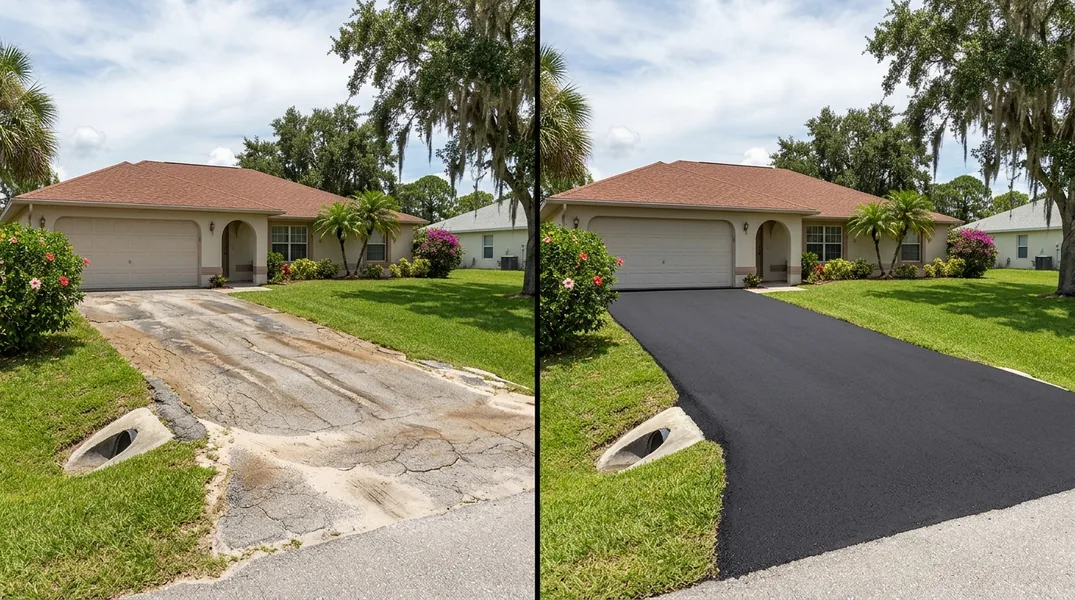
How Long Does New Asphalt Take to Cure?
When you invest in Asphalt Driveway Paving & Installation in Port St. Lucie, understanding the curing process is essential to protecting your investment. New asphalt doesn't reach full strength immediately after installation. The curing process typically takes between 6 to 12 months, depending on weather conditions, traffic load, and the specific asphalt mix used. During this time, the asphalt gradually hardens as oils evaporate and the material bonds together at the molecular level.
In Port St. Lucie's warm, humid climate, curing can happen relatively quickly during the first few weeks, but the asphalt remains somewhat pliable for several months. The hotter months can actually accelerate the curing process, though excessive heat paired with heavy rain can temporarily soften the surface. This is why the first summer after installation is such a critical period for your new driveway. Proper care during these months ensures your asphalt develops the durability it needs to withstand years of use.
How Long Before You Can Drive on New Asphalt?
One of the most common questions homeowners ask is how soon they can use their newly paved driveway. The short answer is that you can typically drive on new asphalt after 24 to 48 hours, provided the weather cooperates. However, this initial timeline only allows for normal passenger vehicle traffic. During these first two days, the asphalt is still setting, and the surface can be marked or slightly damaged by heavy vehicles, sharp turns, or prolonged parking in one spot.
For the first week after installation, it's wise to avoid parking heavy vehicles like RVs, trucks, or commercial equipment on the new surface. Similarly, avoid making sharp turns or accelerating quickly, as these actions can create ruts or scuff marks in the still-softening asphalt. If you have a construction vehicle or need to move heavy equipment across your driveway, wait at least 7 to 10 days. By the end of the first month, your driveway should handle normal residential use without concern, though it will continue to harden and strengthen throughout the first year.
New Asphalt Driveway Care: The First 30 Days
The first month of new asphalt driveway care sets the tone for long-term durability. During this critical period, keep the surface as clean as possible. Avoid parking in the same spot repeatedly, as this concentrates weight and heat in one area, potentially causing permanent indentations. If you notice any small debris, leaves, or dirt accumulating, sweep them away gently. Do not use a pressure washer during the first month, as the force of the water can damage the still-curing surface.
Weather protection is equally important. If rain is forecast, don't worry excessively, but do your best to prevent standing water from pooling on your driveway. Poor drainage can slow the curing process and create weak spots. Similarly, try to minimize exposure to direct sunlight during extremely hot days by parking vehicles strategically if possible. Avoid using salt or harsh de-icing chemicals during winter months, even though Port St. Lucie rarely experiences freezing temperatures. These substances can seep into the asphalt and cause deterioration over time.
Sealing Your Driveway: Timing and Frequency
One of the most important questions homeowners ask is how often to seal a driveway. The standard recommendation is to apply a seal coat 6 to 12 months after the initial installation, once the asphalt has fully cured. This protective layer acts as a barrier against UV rays, moisture, and chemical damage. In Port St. Lucie's intense sun and occasional heavy rain, seal coating becomes even more valuable. After the first seal coat, you should reapply every 2 to 3 years to maintain that protective barrier and extend your driveway's lifespan significantly.
Seal coating isn't just about aesthetics, though it does restore that deep black color that makes a driveway look brand new. The coating prevents oxidation, which causes the asphalt to become brittle and crack. It also resists water penetration, which is critical in Florida's climate where moisture can lead to base failure and potholes. Neglecting to seal coat your driveway can reduce its lifespan from 15 to 20 years down to just 8 to 10 years. If you're unsure about the right time to seal your new asphalt or want professional guidance, Port St Lucie Asphalt Paving can assess your driveway and recommend a maintenance schedule tailored to your specific conditions.
Protecting Your Driveway Through the First Summer
Summer in Port St. Lucie brings intense heat, afternoon thunderstorms, and high humidity, all of which affect newly installed asphalt. During the hottest months, the asphalt can become slightly soft, especially in direct sunlight. This is normal and doesn't indicate a problem, but it does mean you should be extra cautious about parking heavy vehicles or allowing them to sit idle on the surface. If you notice any soft spots or areas where your vehicle's tires sink slightly, avoid those areas until cooler weather returns and the asphalt re-hardens.
Summer storms can also challenge your new driveway. Heavy rain can create temporary soft spots, but these typically firm up within hours once the sun returns. However, if you notice water pooling on your driveway or flowing toward your foundation, this could indicate a drainage issue. Poor grading or settling can cause water to collect, which weakens the asphalt base. If you experience drainage problems, contact Port St Lucie Asphalt Paving at (772) 348-4123 to discuss solutions. Sometimes a simple fix like adding a drainage swale or adjusting the slope can prevent serious damage down the road.
When to Call a Professional for Repairs
Even with excellent care, your new asphalt may occasionally need attention. Small cracks or minor surface damage can appear during the first year as the asphalt settles and cures. These aren't signs of poor installation; they're normal. However, it's important to address them promptly before they become larger problems. Driveway Repair services can seal small cracks and prevent water from seeping into the base layer, which is where serious damage begins.
If you notice potholes, significant cracking, or areas where the asphalt is breaking apart, contact Port St Lucie Asphalt Paving right away. These issues require professional assessment and may need Pothole Repair & Asphalt Patching or more extensive work. The sooner you address damage, the less expensive the repair will be. To schedule an inspection or discuss your driveway's condition, call (772) 348-4123 or request a free estimate online. Our team can help you develop a maintenance plan that keeps your asphalt in excellent condition for years to come.
Looking for a professional asphalt paving contractor in Port St. Lucie? Port St Lucie Asphalt Paving responds fast for all your asphalt paving needs.
Get a Free Quote